
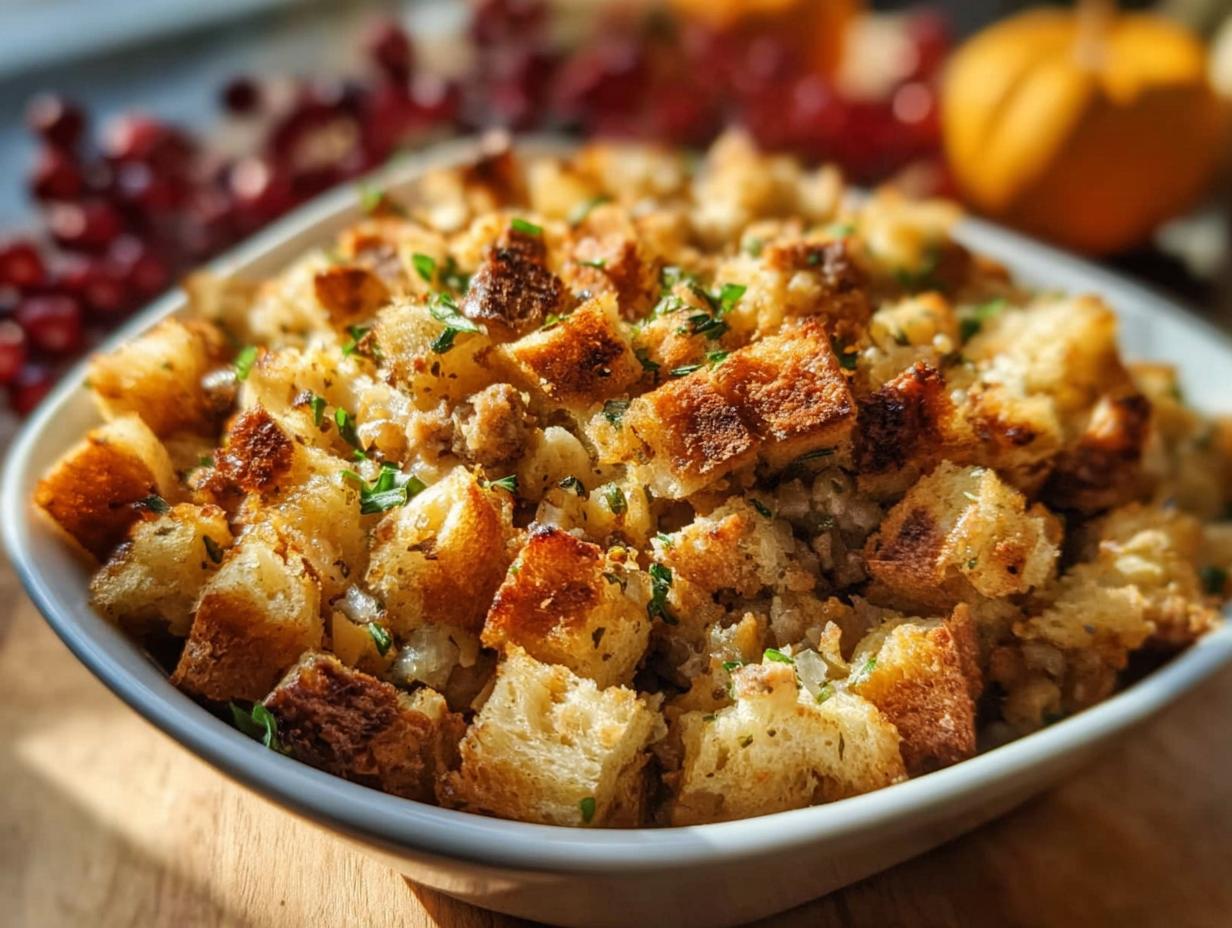
That moment when everyone’s gathered around the table, and they take that first, perfect bite of stuffing… pure magic, right? Learning How to Make Stuffing Recipes Like a Pro (2025) isn’t just about following a recipe; it’s about creating that comforting, savory hug in a dish that makes the whole meal sing. I’m Michael Davis, an RD and Senior Meal Planning Specialist, and I remember my very first Thanksgiving stuffing attempt like it was yesterday. Armed with my grandma’s notes, I was ready for glory, but let’s just say my first batch was… a tad too mushy. Oops! But that little kitchen mishap sparked a love for experimenting, finding that sweet spot between tradition and a personal touch. This guide is all about helping you find that perfect balance, turning a simple side into a showstopper that’ll have everyone asking for seconds.
Mastering the Art of Stuffing: Essential Ingredients for How to Make Stuffing Recipes Like a Pro (2025)
Alright, let’s get down to the nitty-gritty of making stuffing that’s just… wow. It all starts with the ingredients, and for making stuffing recipes like a pro in 2025, you really need to pay attention here. Think of it as building a flavor symphony! My grandma always said the bread is the soul of the stuffing, and she wasn’t kidding. Using the right kind makes all the difference between a fluffy bite and a soggy mess. And don’t even get me started on the fresh herbs – they just sing with flavor!
The Foundation: Bread for Your Stuffing
This is where so many people go wrong! You do NOT want soft, squishy bread. Trust me on this. We need sturdy bread, like a good day-old French baguette or a crusty Italian loaf. Cubed up, and ideally, dried out a bit. This is KEY for that perfect texture. If your bread is too fresh, it’ll just turn into mush when it hits the liquid. I usually leave my bread cubes out on a baking sheet overnight, or give them a quick toast in the oven if I’m in a pinch.
Aromatic Vegetables and Flavor Boosters
Next up are the veggies that build our flavor base: onion and celery. Just a simple chop is all you need. When they sauté in butter? Oh, the smell! Then come the flavor powerhouses: fresh herbs like sage, thyme, and parsley – nothing beats that fresh pop! A good poultry seasoning is a must for that classic stuffing taste, and of course, salt and pepper to make everything taste… well, like itself, but better!
Moisture and Binding Agents
Broth is what brings it all together. You want enough to make everything moist and delicious, but not so much that it drowns! Chicken or vegetable broth works beautifully. I usually start with about 1 ¾ cups and see how it goes. Sometimes you might need a splash more. If you want your stuffing to hold together a bit more, a lightly beaten egg can be a great binder, especially if you’re not stuffing a turkey.
Optional Additions for Customization
Now for the fun part: making it YOURS! Cooked ground sausage adds a fantastic savory depth. Seriously, it takes stuffing to a whole new level. If you’re doing a vegetarian version, you can totally skip the sausage and stick to all those yummy veggies and herbs. The beaten egg works well as a binder here too, helping everything meld together beautifully.
Step-by-Step Guide: How to Make Stuffing Recipes Like a Pro (2025)
Okay, now we get to the fun part – putting it all together! Learning How to Make Stuffing Recipes Like a Pro (2025) is all about technique, and honestly, it’s pretty straightforward once you see it done. Don’t be intimidated; it’s really just a few simple steps to get that delicious stuffing ready to go. You can check out more recipe ideas here, but THIS stuffing is a classic for a reason!
Preparing the Bread Base
First things first, that bread. If you’ve dried it out like we talked about, you’re golden. If not, just pop those cubes in a baking dish at 250°F (120°C) for about an hour until they feel nice and dry. We want them to soak up that broth, not turn into mush!
Sautéing the Aromatics
Grab a nice big skillet and melt that butter over medium heat. Toss in your chopped onions and celery. You want to cook them until they’re soft and a little see-through, but not browned – usually about 5 to 7 minutes. This is where you start building that savory foundation, so don’t rush it!
Combining the Stuffing Mixture
Now, grab a big bowl – a really big one! Add your soft sautéed veggies, those lovely dry bread cubes, your chopped fresh herbs, poultry seasoning, salt, and pepper. Give it a gentle mix. You don’t want to mash everything; think of it as a tender hug where all the flavors get to know each other.
Adding Moisture and Flavor
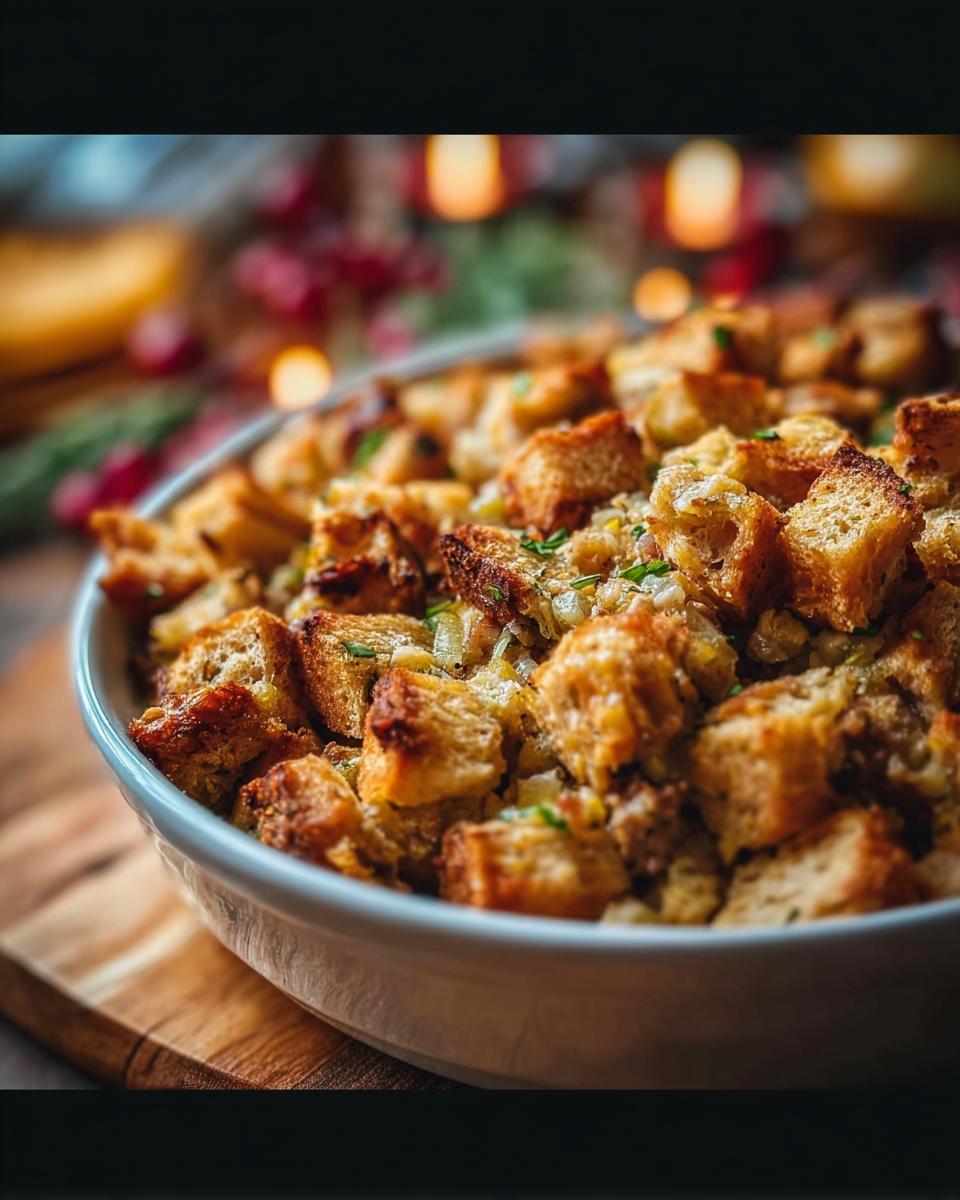
Time for the broth! Start by pouring in about half a cup and stir gently. See how it’s looking? You want it moist, but definitely not swimming. Keep adding a little more broth, bit by bit, until it just feels right. If you’re adding that cooked sausage, now’s the time to stir it in. And if you’re using an egg for binding, give it a quick beat and stir it in too. It’s starting to smell amazing, isn’t it?
Baking or Stuffing the Turkey
You’ve got two choices here! For baked stuffing, just transfer it all to a greased baking dish. Pop it into a 350°F (175°C) oven for about 30 to 40 minutes, or until the top gets wonderfully golden and a little crisp.
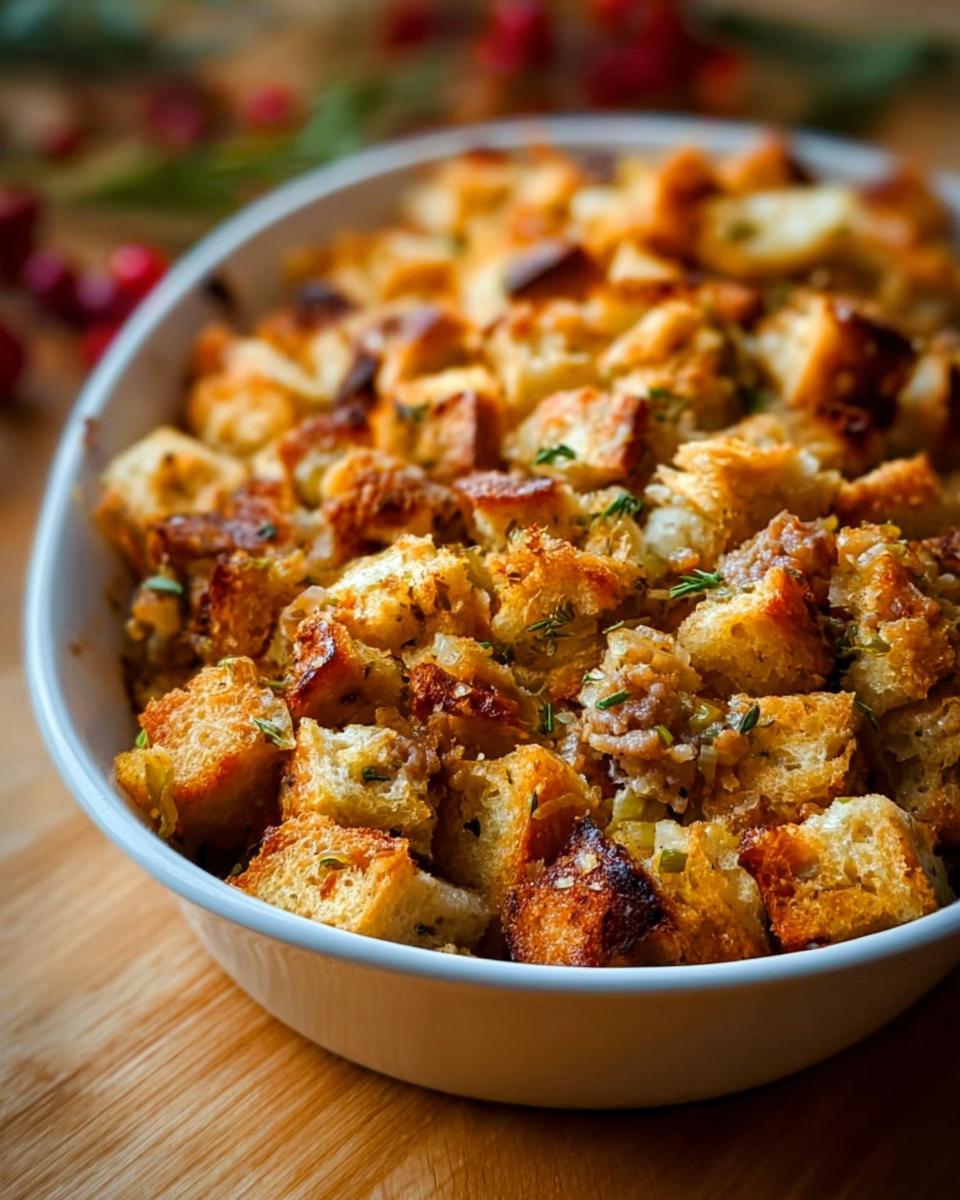 If you’re stuffing the turkey, do it loosely right before you roast. A good rule of thumb is to make sure the stuffing inside hits 165°F (74°C) for food safety. Check out some more fun Thanksgiving stuffing ideas at this link!
Tips for Perfect Stuffing Every Time
Okay, so you’ve made the stuffing using my tried-and-true method – now let’s talk about making sure it’s absolutely, positively perfect every single time. It’s those little tweaks that really elevate it from good to *wow*. My grandma always had these little secrets, and I’ve picked up a few more tricks along the way that I’m just dying to share with you!
Achieving the Ideal Texture
The number one stuffing sin? Mushy or dry. To avoid mushy, remember to use dried-out bread – I really can’t stress that enough! And when you’re adding broth, go slow! You want it moist, not soggy. For dry stuffing, it usually means not enough liquid, so use your judgment and add a bit more broth if it looks too crumbly.
Food Safety Essentials
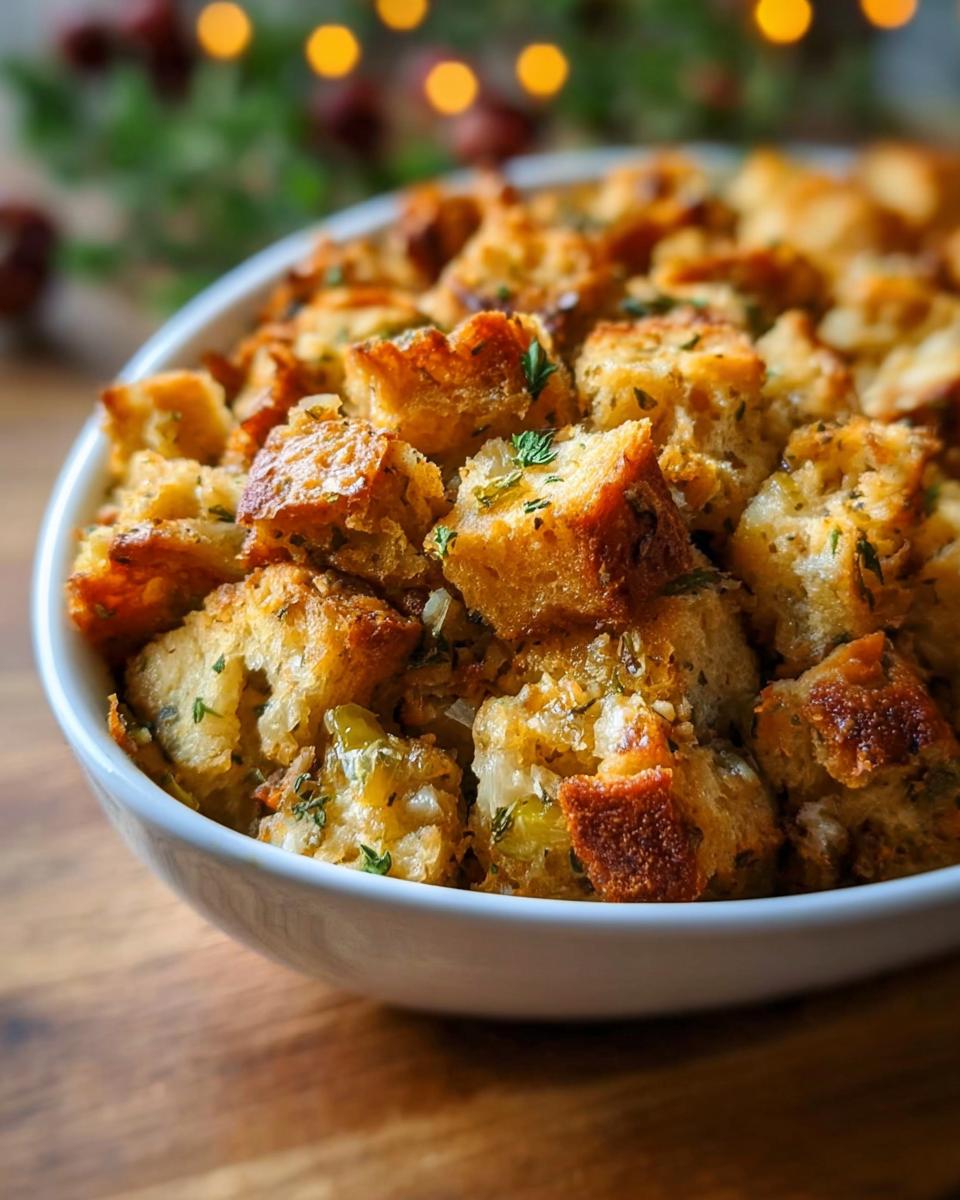
This is super important, especially if you’re stuffing your turkey. Make sure that stuffing inside the bird reaches an internal temperature of 165°F (74°C). It sounds super technical, but it’s honestly the best way to know it’s safe and delicious. If you’re baking it separately, it just needs to get nice and golden and heated through.
Flavor Enhancements
Want to kick your stuffing up another notch? Try using homemade chicken or vegetable broth – the flavor is just so much richer! And don’t be afraid to play with your herbs. While sage and thyme are classic, a little rosemary or even some finely chopped chives can add a delightful twist. You could even add a pinch of nutmeg or a whisper of smoked paprika for a unique kick!
Frequently Asked Questions About Stuffing
Got questions about stuffing? I’ve got answers! It’s the heart of so many holiday meals, and I want to make sure yours is absolutely perfect. Let’s tackle some common stuffing dilemmas so you can feel totally confident in the kitchen.
Can I make stuffing ahead of time?
Oh yes, you absolutely can! It’s a lifesaver. You can prep the dry ingredients and the sautéed veggies separately the day before. Store them in airtight containers in the fridge. Then, just combine everything with the broth and bake or stuff right before serving. It makes holiday day so much smoother!
What kind of bread is best for stuffing?
My absolute favorite for stuffing is a good day-old, crusty bread like French or Italian. Sturdier breads hold up so much better. Avoid soft sandwich bread; it’ll just turn into a sad, mushy pile. Toasting the bread cubes until they’re nice and dry is the secret weapon against sogginess!
How do I prevent stuffing from becoming soggy?
The biggest culprits are using fresh bread and adding too much liquid. Always use dried-out or toasted bread cubes. When you add the broth, add it gradually, mixing as you go, until it’s just moist, not soaking wet. It’s better to add a little too little broth and add more if needed!
Can I make vegetarian stuffing?
Totally! It’s super easy. Just skip the sausage and use vegetable broth instead of chicken broth. You can add extra veggies like mushrooms, leeks, or even some diced apples for sweetness and texture. It’s delicious either way!
Creative Variations for Your Stuffing
Alright, fellow food adventurers! Now that you’ve mastered the basics of How to Make Stuffing Recipes Like a Pro (2025), it’s time to get a little wild, right? The beauty of stuffing is how easily it can be transformed. Don’t be afraid to play around and make it truly your own. Think about adding things that make your taste buds happy! For some fun flavor ideas, you might want to check out this popcorn recipe for inspiration.
Herb and Spice Twists
Feeling adventurous? Swap out some of that sage for a bit of fresh rosemary, or maybe add a pinch of smoked paprika for a warm, smoky note. A tiny bit of nutmeg can also add a lovely depth. You could even try a dash of cayenne for a little heat!
Adding Texture and Richness
Want to make your stuffing pop? Toss in some toasted pecans or walnuts for a nutty crunch. Dried cranberries or chopped apricots add a delightful sweetness that contrasts beautifully with the savory flavors. Or, try mixing in some cornbread cubes with your regular bread for a whole new texture profile!
Serving and Storing Your Delicious Stuffing
Now that you’ve mastered How to Make Stuffing Recipes Like a Pro (2025), let’s talk about the best way to enjoy it and keep those delicious leftovers safe. Stuffing is seriously one of the most versatile sides, perfect for making any meal feel a little more special, and a great pairing for things like this refreshing quinoa salad during the holidays or any time!
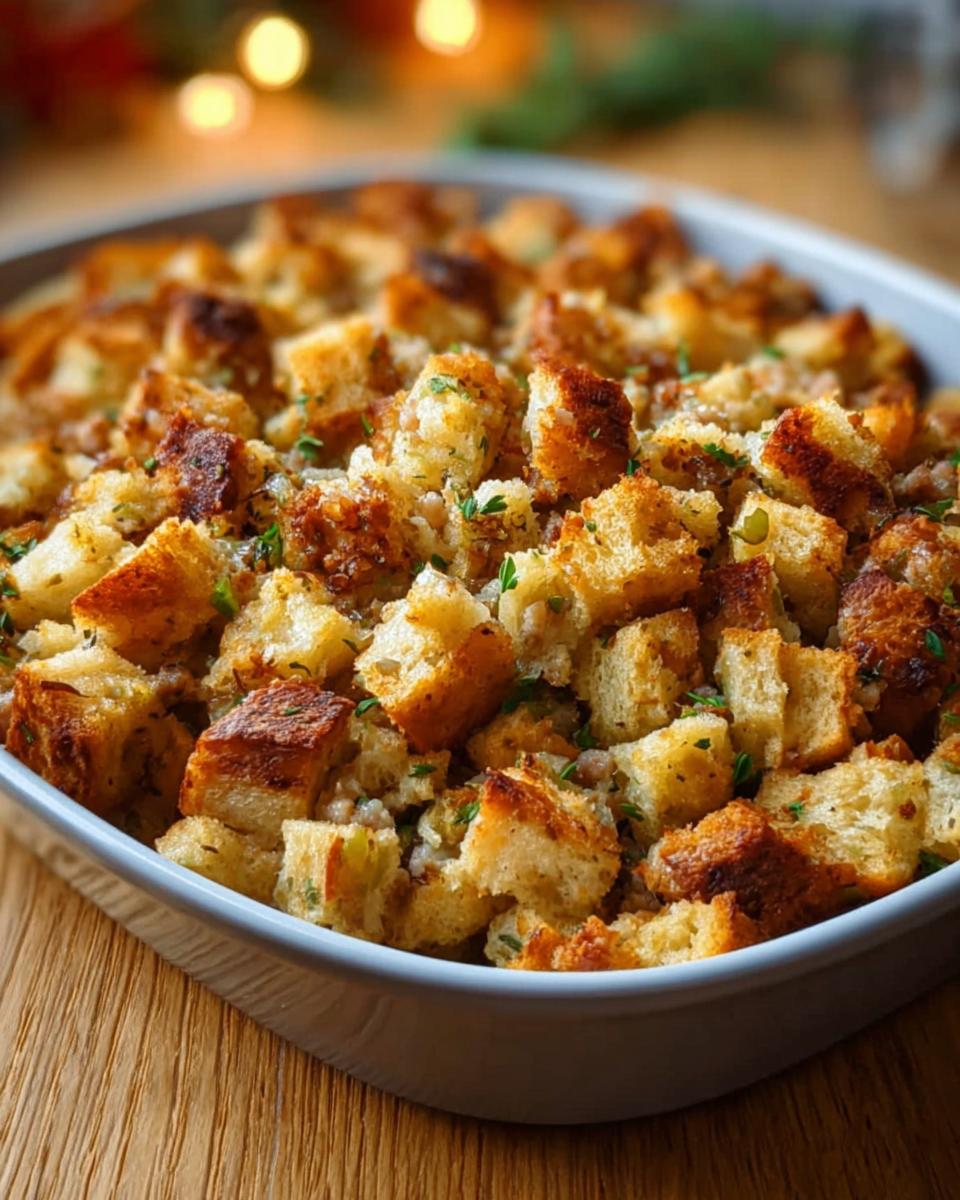
Perfect Pairings for Stuffing
Honestly, stuffing is a holiday champion! It’s perfect alongside roast turkey, chicken, or ham. But it’s also amazing with a hearty vegetarian roast or even just a simple bowl of gravy to dip into. It really does make everything feel more festive.
Storing Leftovers Safely
Leftovers? Yes, please! Make sure your stuffing has cooled down a bit, then pop it into an airtight container and pop it in the fridge. It should be good for about 3-4 days. Just reheat it thoroughly until it’s piping hot again!
Nutritional Information
Just a heads-up, the nutritional info can change a bit depending on exactly what you put in! But for a typical serving of this stuffing, you’re looking at roughly [Insert Approximate Calories] calories, [Insert Approximate Fat]g of fat, [Insert Approximate Protein]g of protein, and [Insert Approximate Carbohydrates]g of carbohydrates. It’s all a ballpark figure, but gives you a good idea!
Share Your Stuffing Creations!
So, have you tried making How to Make Stuffing Recipes Like a Pro (2025) yet? I really hope you do! I’d absolutely *love* to hear how it turned out for you. Did you add anything special? Any favorite herbs pop out? Let me know in the comments below, or feel free to reach out through my contact page. Your feedback makes my day and helps everyone cook a little better!
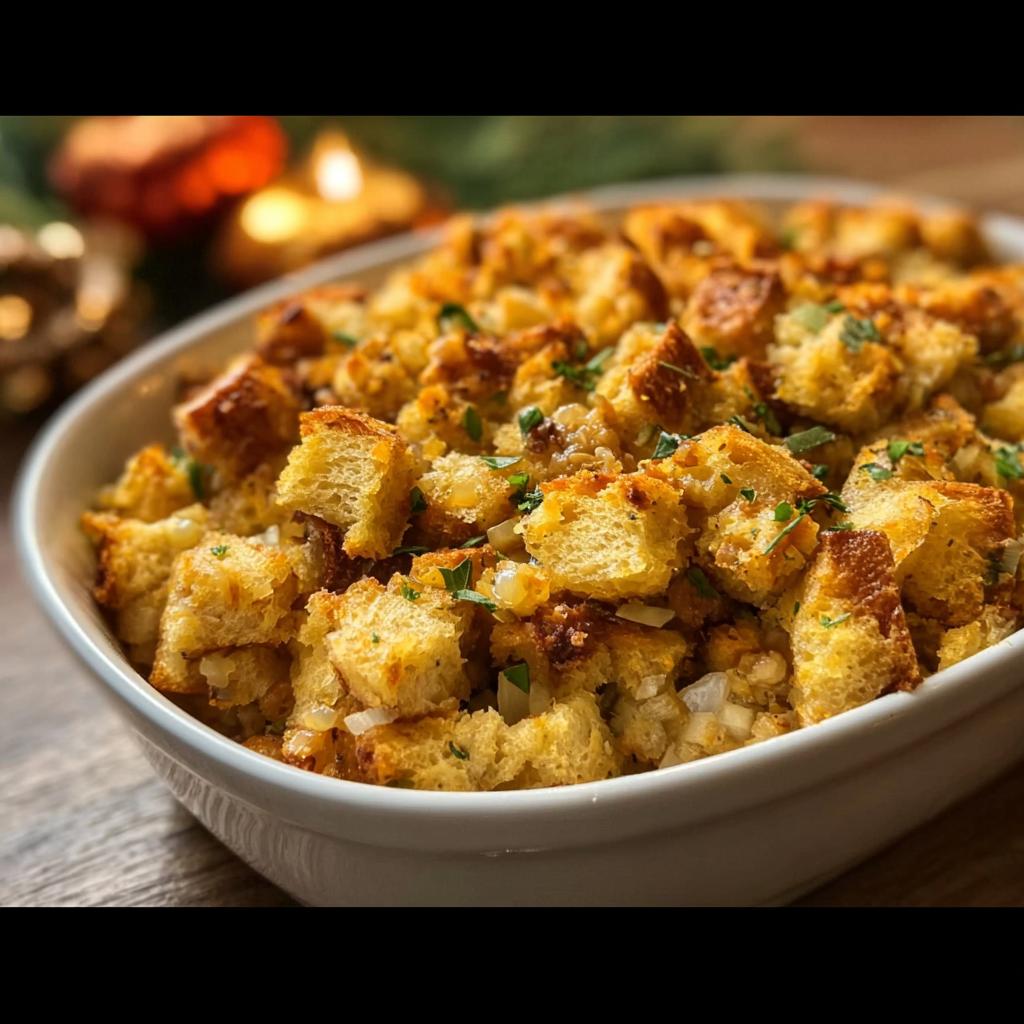
How to Make Stuffing Recipes Like a Pro (2025)
Ingredients
Equipment
Method
- Prepare your bread cubes. If using fresh bread, leave it out for 1-2 days to dry, or toast cubes at 250°F (120°C) for 45-60 minutes until dry.
- Melt butter in a large skillet over medium heat. Add chopped onions and celery. Cook until softened, about 5-7 minutes.
- Transfer the sautéed vegetables to a large bowl. Add the dry bread cubes, chopped fresh herbs, poultry seasoning, salt, and pepper. Mix gently to combine.
- Gradually add the chicken or vegetable broth, starting with 1/2 cup, and mix until the stuffing is moist but not soggy. Add more broth if needed, a little at a time.
- If using, stir in cooked ground sausage and the beaten egg.
- For baked stuffing: Transfer the mixture to a greased baking dish. Bake at 350°F (175°C) for 30-40 minutes, or until the top is golden brown.
- For stuffed turkey: Fill the turkey cavity loosely just before roasting. Ensure the stuffing reaches an internal temperature of 165°F (74°C).