Ingredients
Equipment
Method
- Start by preparing a good pasta dough recipe. An egg-based dough is recommended.
- Allow the dough to rest for at least 30 minutes. This is crucial for texture.
- Decide on your equipment. You can use a rolling pin, but a pasta machine (crank or electric) will help you achieve an even result.
- Roll out the dough into flat sheets. If using a machine, follow its specific instructions for different shapes like lasagna, ravioli, or pappardelle.
- If using a pasta press attachment, learn its rhythm. You will need to slice the pasta away from the machine as it is formed.
- Cut the pasta into your desired shapes. This may require practice to get the hang of it.
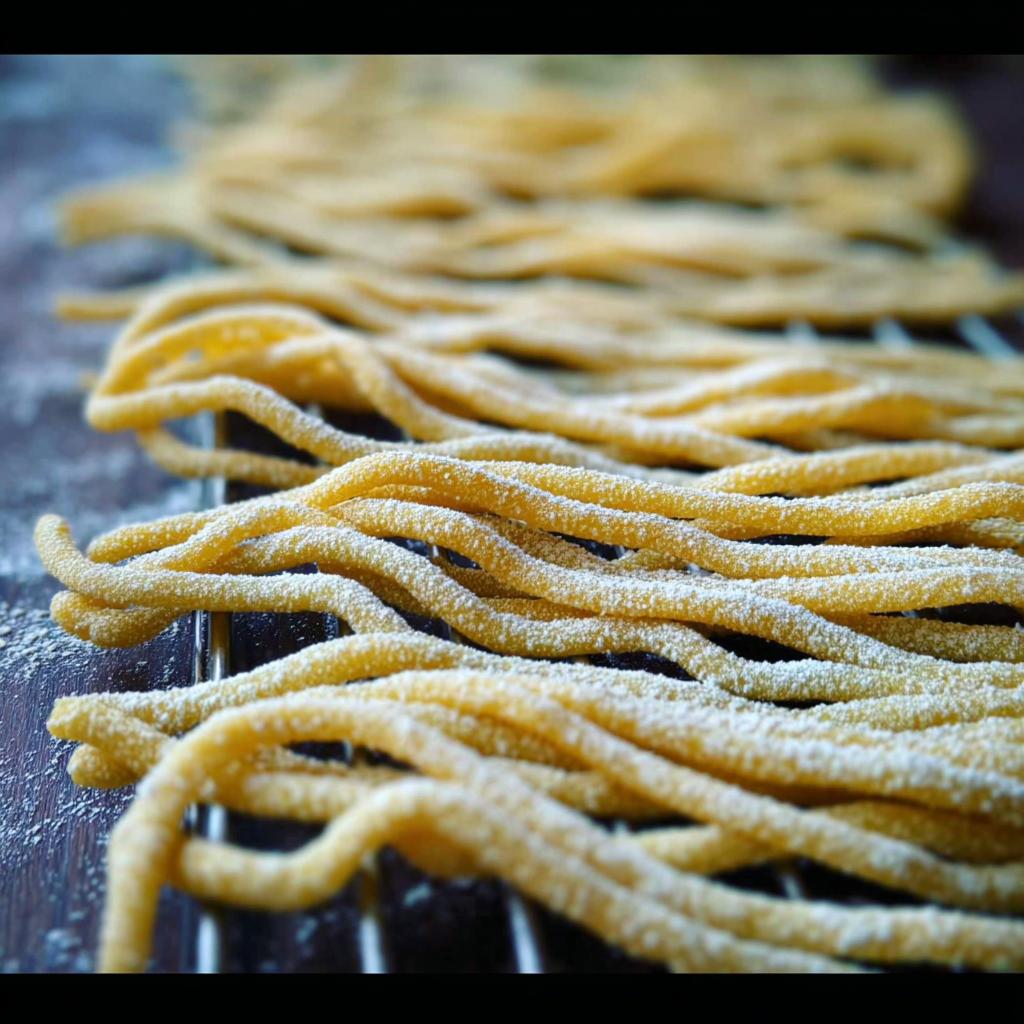
- Dry the pasta. You can use a drying rack, the backs of chairs, or a clean table. Ensure you have a clean place to dry it.
- Dust the pasta with semolina as it dries to prevent the pieces from sticking together.
- The drying process can take at least 30 minutes. For weekend dinners, you can make the pasta in the morning and let it dry until evening.
Notes
Making fresh pasta requires time and practice, but the results are rewarding. Having semolina on hand is important to prevent sticking during drying. You can prepare pasta in advance and dry it for several hours to reduce last-minute cooking stress.