
I still remember standing in my grandmother’s kitchen, flour dusting everything, as she showed me the magic of making fresh pasta. It was one of those moments that just stuck with me, igniting this lifelong love for cooking. Now, with my background in nutrition and as a Senior Meal Planning Specialist, I’m all about making delicious food healthy and approachable. If you’ve ever dreamed of mastering the art of pasta, you’ve come to the right place. This guide to How to Make Pasta Recipes Like a Pro (2025) is designed to take you from curious beginner to confident pasta artisan. Trust me, it’s a journey worth taking!
Why You’ll Love This How to Make Pasta Recipes Like a Pro (2025) Guide
Get ready to wow yourself and everyone you cook for! This guide is seriously going to change your pasta game. You’ll learn how to:
- Achieve that amazing, chewy texture you only find in restaurants, right in your own kitchen.
- Feel the pure joy and satisfaction of creating beautiful pasta shapes from scratch.
- Unlock endless possibilities with versatile techniques that work for quick weeknight dinners or special occasions.
You’ll be making pasta like a pro in no time!
Essential Equipment for Pro Pasta Making
Okay, so you want to make pasta like a true pasta pro, right? It’s totally doable, and honestly, having the right tools makes all the difference. You don’t need a million fancy gadgets, but a few key pieces will set you up for success. Think of them as your pasta-making best friends!
Pasta Machine: Crank vs. Electric
First up, the pasta machine! If you’re serious about this, one of these is a game-changer. Crank machines are the classic choice – they’re often super sturdy and give you a great feel for the dough. Electric ones? They do the work for you, which is nice when you’re trying out new shapes or making a big batch. Honestly, either will get you fantastic results!
Other Useful Tools
Beyond the machine, a good rolling pin is handy if you decide to go old-school, or for thinner doughs. And you’ll definitely want a pasta drying rack, or at least a clean spot on your counter to let your beautiful creations hang out before they hit the pot. Little things like a sharp knife or a pizza cutter are also great for shaping.
Mastering the Dough: How to Make Pasta Recipes Like a Pro (2025)
Alright, let’s talk about the heart of amazing pasta: the dough! This is where the magic *really* starts. You’ve got your recipe, which is fantastic, and from what I know, an egg-based dough is the way to go for that rich, delicious flavor and perfect texture we’re aiming for. Seriously, don’t skimp here! Getting the dough right is probably the most important step in learning How to Make Pasta Recipes Like a Pro (2025). When I’m making mine, I always watch the consistency – you want it firm enough to handle, but not so dry it crumbles. If it feels a bit too sticky, just a whisper of flour more; if it’s too stiff, a tiny splash of water. It’s a bit of an art!
The Resting Period: Why It Matters
Now, here’s a pro secret: let that dough chill out! Letting it rest for at least 30 minutes is super important. It gives the gluten time to relax, which makes the dough way easier to roll out and stops it from fighting back. Plus, it really helps create that lovely, smooth texture in your finished pasta.
Rolling and Shaping: Techniques for How to Make Pasta Recipes Like a Pro (2025)
Okay, this is where the real fun begins! Once your dough has had its little nap, it’s time to roll and shape. If you’re using a pasta machine, these rolling attachments are just fantastic for getting an even thickness. You just feed the dough through, starting with the widest setting and gradually moving to finer ones. Keep folding and re-rolling a few times on the wider settings to really develop that smooth texture – it’s a bit like kneading but with a roller! As you get to thinner settings, you’ll be amazed at how silky the dough becomes. This consistency is key to learning How to Make Pasta Recipes Like a Pro (2025). Whether you’re aiming for delicate lasagna sheets, perfect ravioli pockets, or wide, luscious pappardelle, the machine makes it so much easier to get that professional, even cut. For some awesome tips on how to use your machine like a pro, check out this guide. Just remember to dust lightly with semolina if the dough starts to feel sticky as you work with it.
Advanced Pasta Shaping Techniques
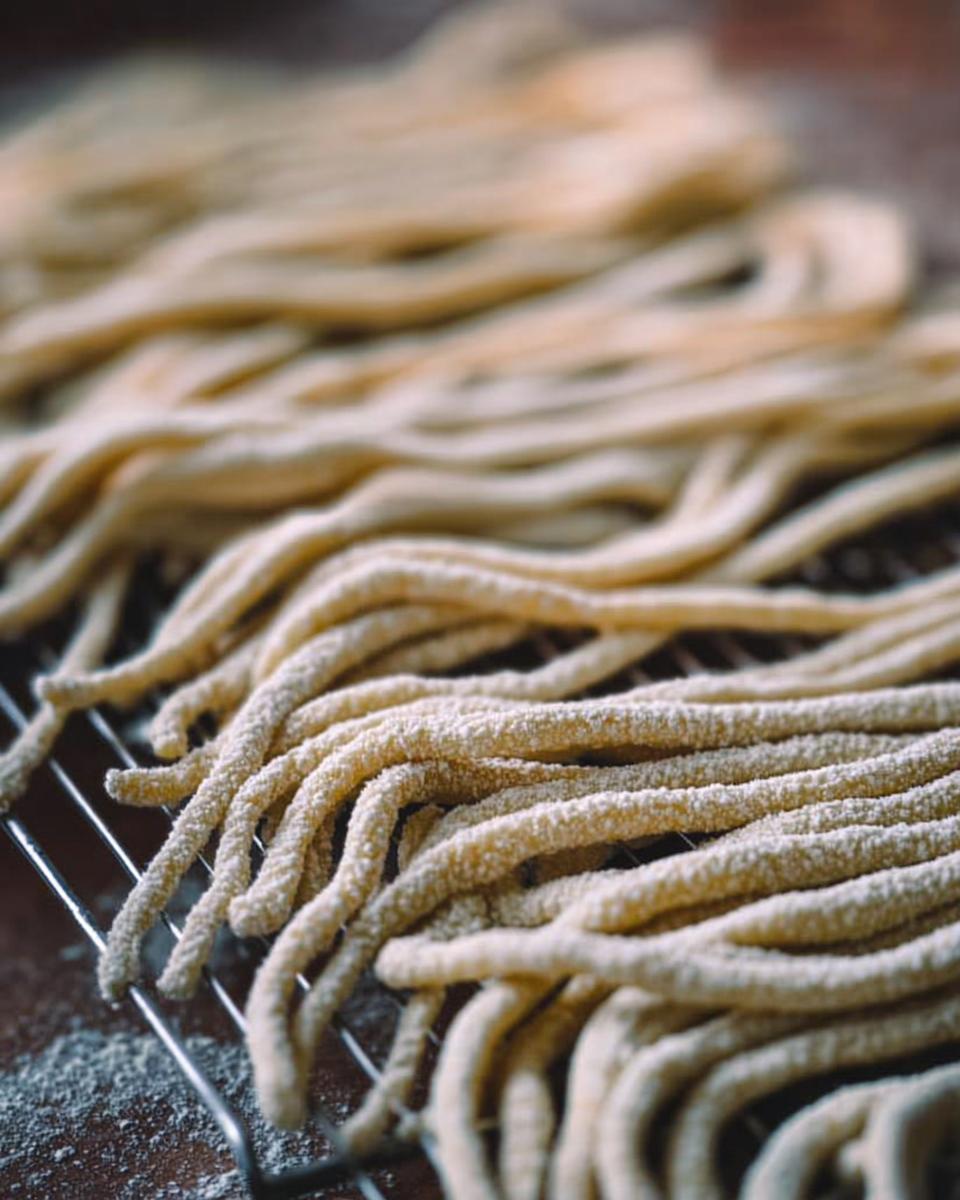
Once you’ve got the hang of the basic sheets, you can really start playing! For ravioli, it’s all about laying out one sheet, dotting your filling evenly, then carefully draping another sheet over the top. Gently press around the filling to push out any air pockets – you don’t want puffy ravioli! Then, use a cutter or even a fork to seal the edges. For something like fettuccine or tagliatelle, you’ll often let the sheets dry just a *little* bit before running them through the cutting attachment. It helps them hold their shape better. And don’t be afraid to experiment with other attachments, like the spaghetti cutter, or even get creative with hand-cut shapes like orecchiette – they look fancy, but they’re surprisingly easy once you get the hang of the technique!
Drying Your Homemade Pasta
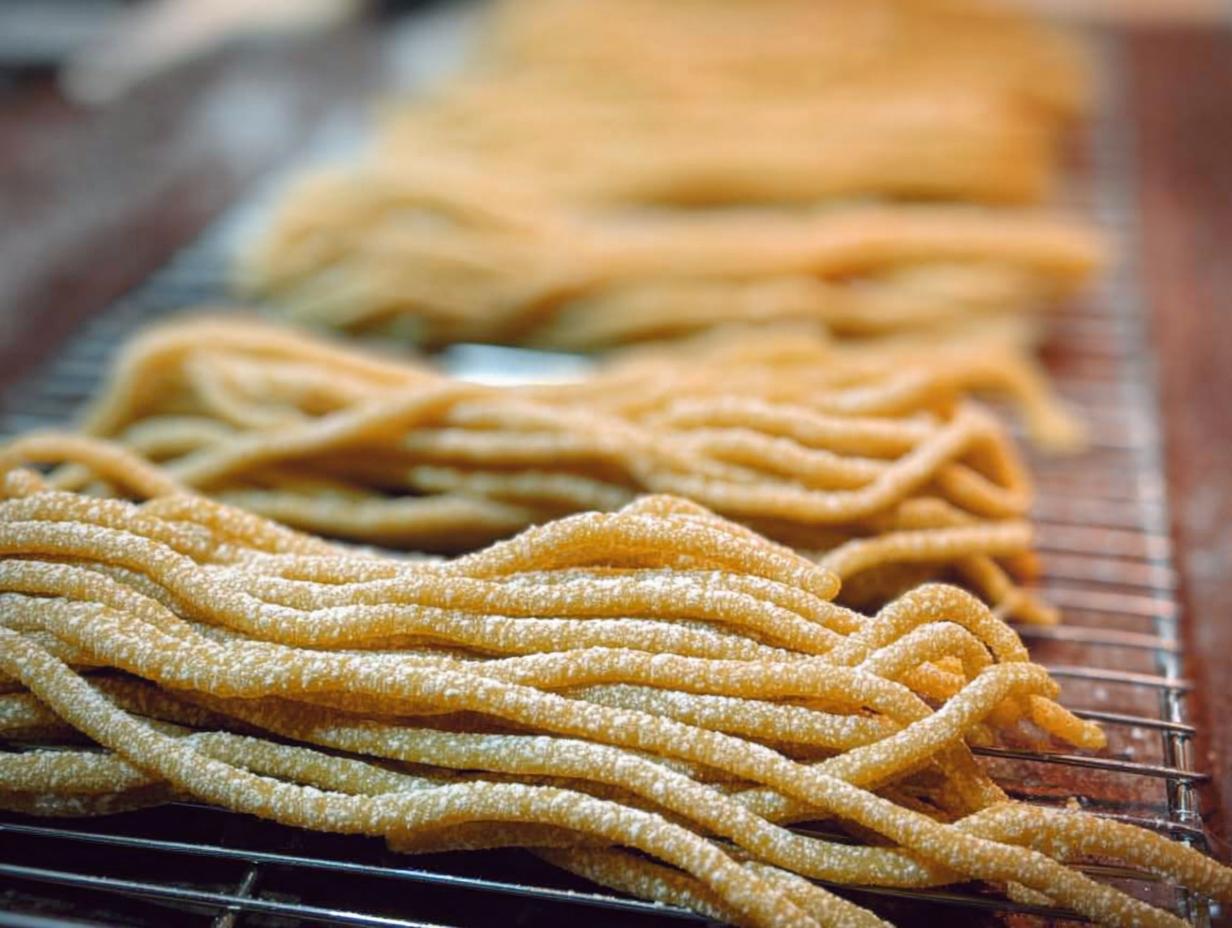
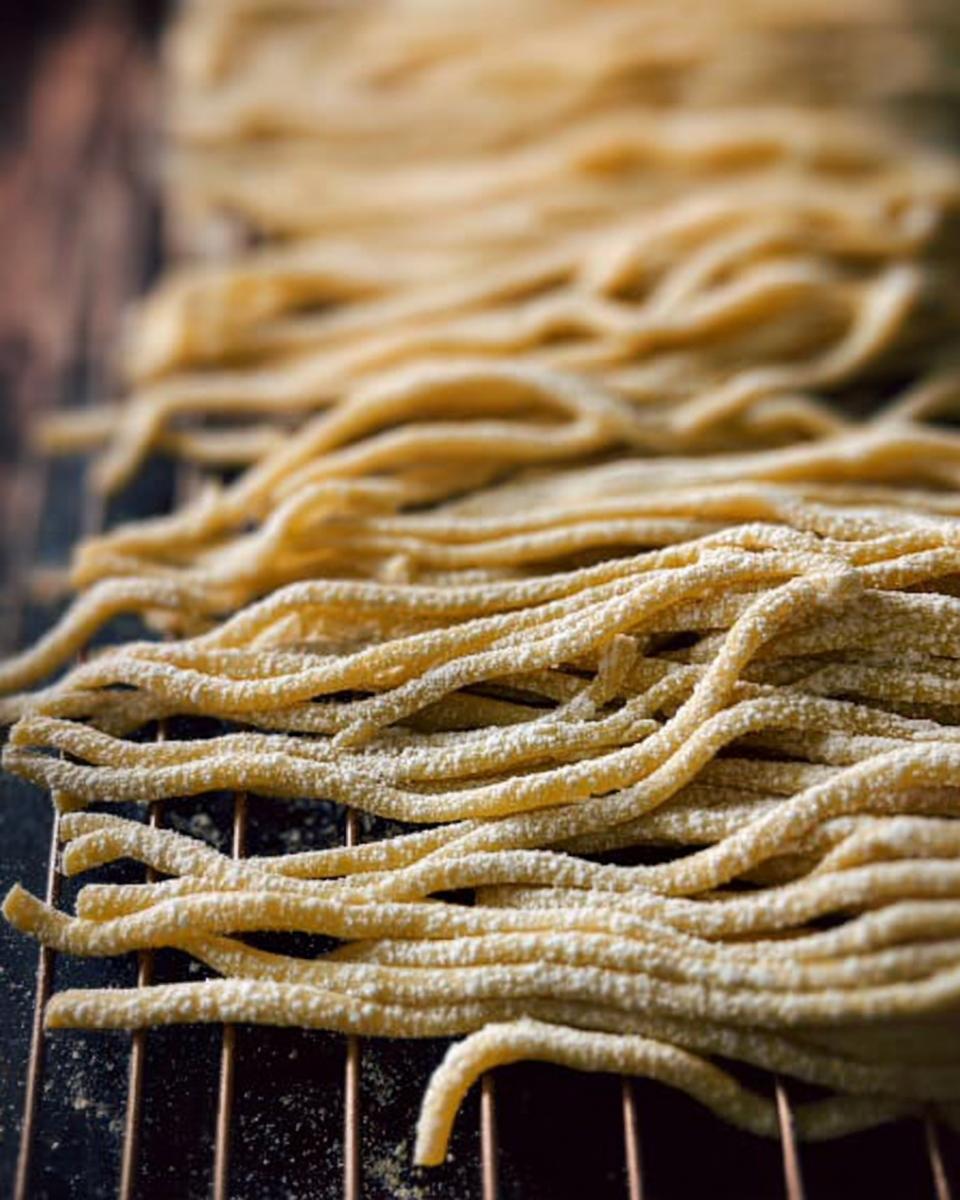
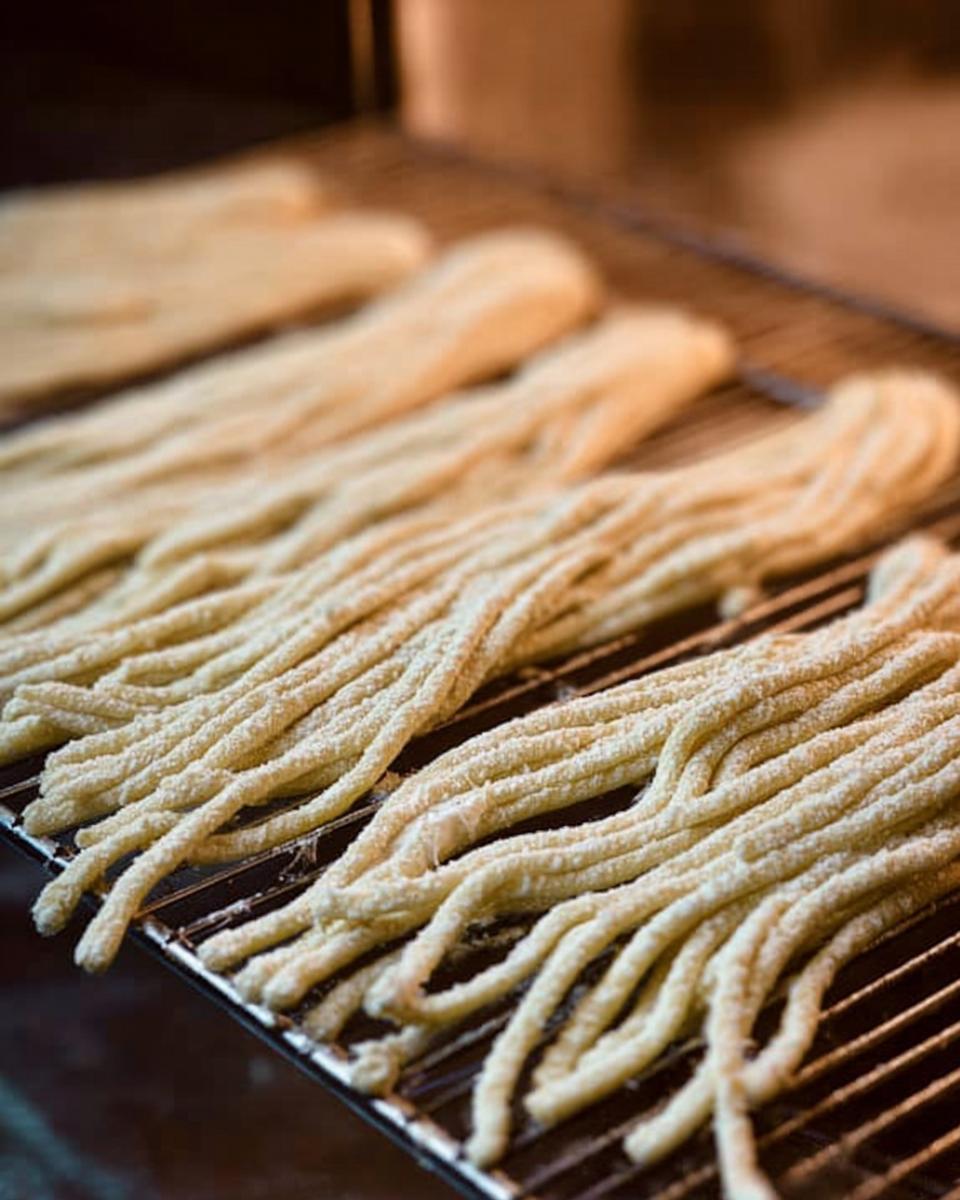
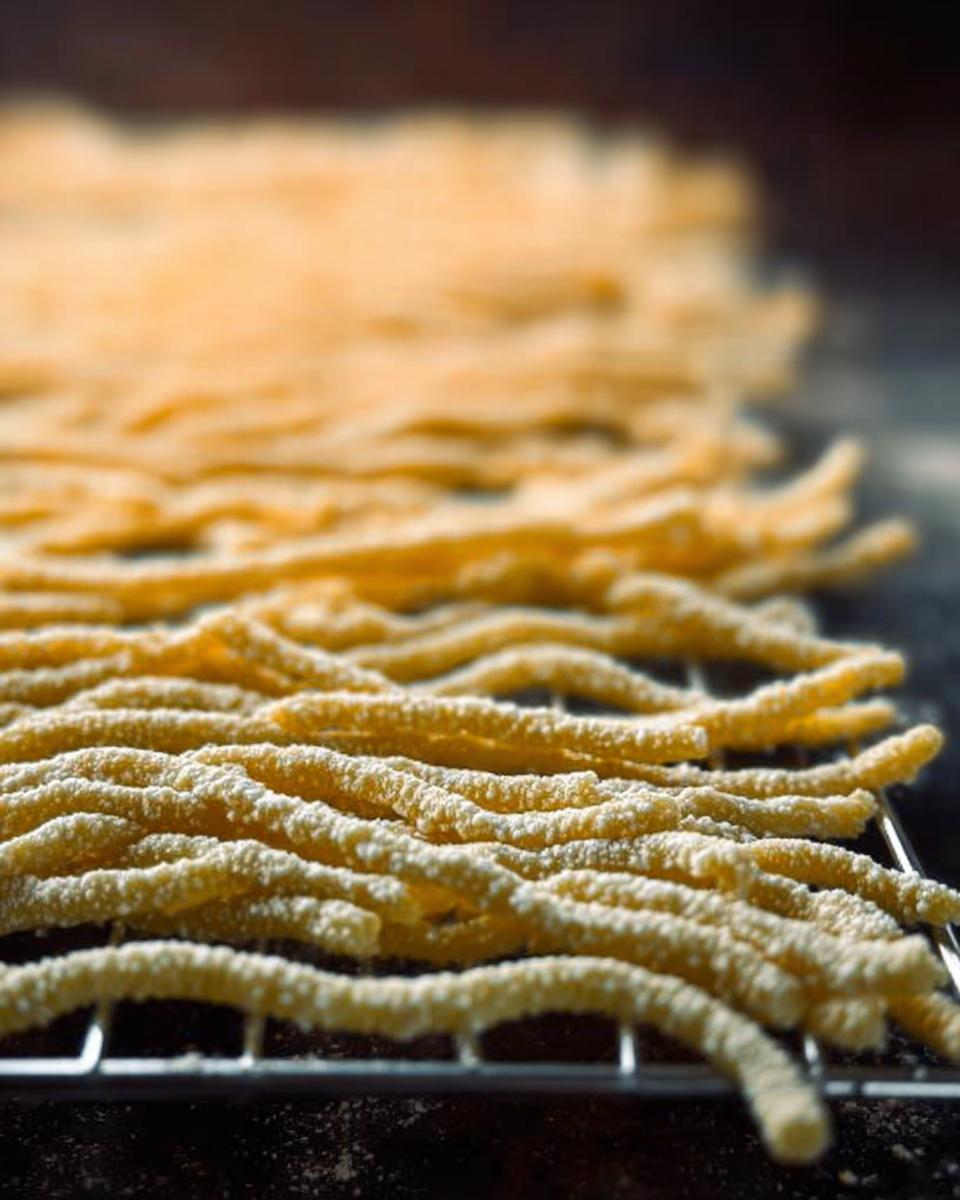
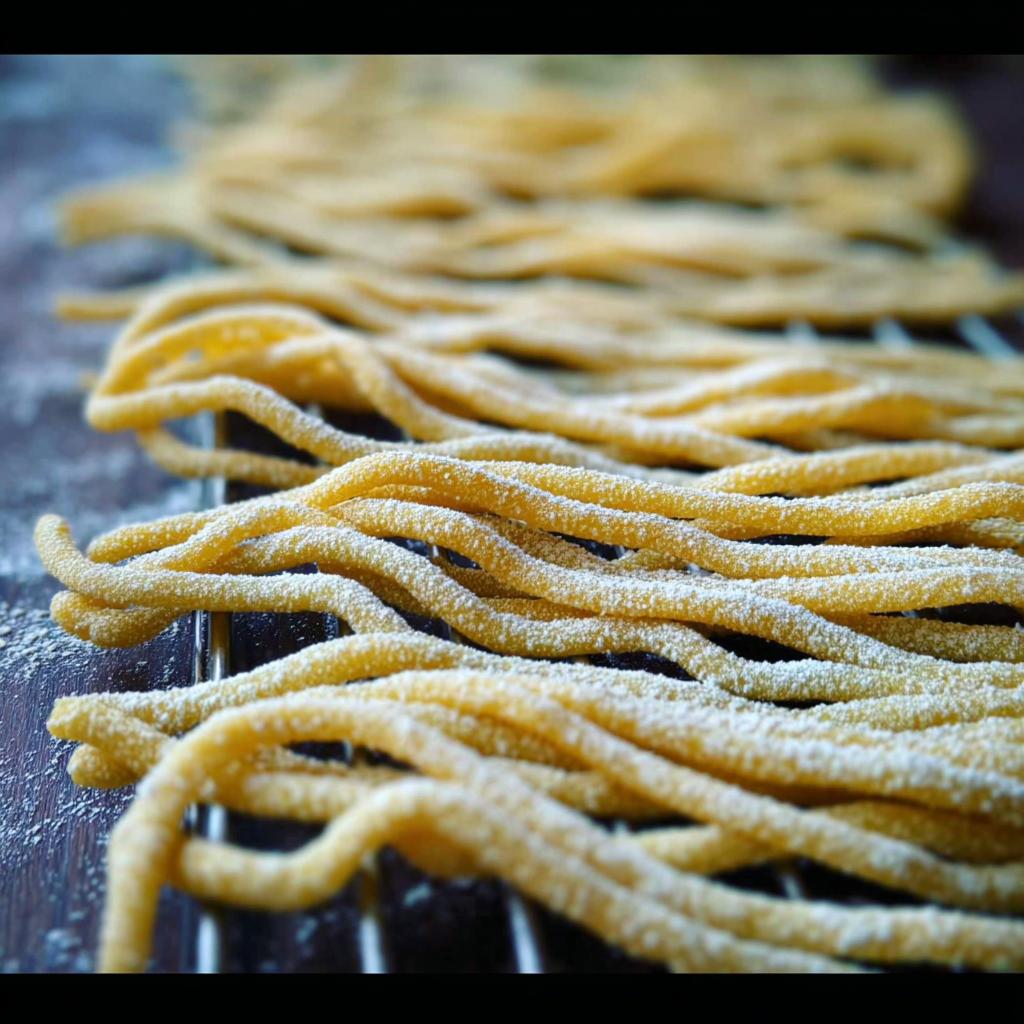
Okay, so you’ve rolled it, you’ve shaped it, and now your beautiful pasta creations need a little time to dry before hitting the pot. This step is super important, trust me! It helps the pasta hold its shape beautifully when you cook it. The classic way is to hang it on a pasta drying rack – they’re great because they give you lots of surface area. But if you don’t have one, don’t worry! You can get creative. Drape strands over the back of a clean chair, or lay shapes on clean kitchen towels. Just make sure there’s good airflow all around. And here’s a little secret: a light dusting of semolina flour is your best friend here. It stops those lovely strands or shapes from sticking to each other. It gives you that professional finish!
How Long to Dry Pasta for Best Results
The drying time really depends on how you plan to use it. For dinner tonight, about 30 minutes of drying might be enough. But if you’re prepping ahead for the weekend, you can let it dry for several hours! It gets firmer and holds up even better. Making pasta in the morning means it’s ready to go by dinner without that last-minute rush.
Tips for Success in How to Make Pasta Recipes Like a Pro (2025)
Alright, you’re well on your way to making pasta that’ll make everyone think you’re a culinary wizard! Here are a few extra tips I’ve picked up over the years that really make a difference when you’re learning How to Make Pasta Recipes Like a Pro (2025). It’s all about those little things that build your confidence and ensure you get amazing results every time. Think of these as the final polish on your pasta-making skills!
Ingredient Quality Matters
Seriously, don’t skimp on your ingredients! Using good flour and fresh eggs makes a noticeable difference in flavor and texture. It’s like the difference between a good sketch and a finished masterpiece. High-quality stuff just makes everything taste better and easier to work with.
Troubleshooting Common Pasta-Making Issues
So, what if things go a little sideways? It happens to everyone! If your dough is too sticky, it probably just needs a tiny bit more flour – add it little by little! If it’s too stiff and tearing when you try to roll it, a small splash of water can save the day. Don’t be afraid to experiment a bit! You can find all sorts of great recipe ideas to try out your new skills on.
Serving and Storing Your Homemade Pasta
You’ve done it! You’ve made beautiful, fresh pasta. Now, what do you do with these little treasures? Serving it is the best part! Fresh pasta cooks SO much faster than dried, usually just 2-4 minutes. Look for it to float to the top and be perfectly al dente. Honestly, even a simple sauce like butter and sage, or a classic marinara, is heavenly with homemade pasta. For a complete meal idea, you could try this Pasta Primavera, it’s fantastic with fresh pasta! If you have leftovers, that’s great! You can store completely dried pasta in an airtight container at room temperature for weeks. If your pasta is only partially dried, pop it in the fridge for a few days.
Frequently Asked Questions About Pasta Making
Got pasta questions? I’ve got answers! Making pasta from scratch is so rewarding, but it’s totally normal to have a few things you’re wondering about. Here are some common ones I get, and if you have more, feel free to reach out!
Can I Make Pasta Dough Ahead of Time?
Absolutely! You can make the dough a day in advance. Just wrap it tightly in plastic wrap and pop it in the fridge. When you’re ready to use it, let it sit at room temperature for about 30 minutes to soften up a bit.
How Do I Store Fresh Pasta?
If you’ve dried your pasta completely, it can be stored in an airtight container at room temperature for weeks! If it’s still a bit soft, keep it in the fridge for a few days. You can also freeze portions of fresh pasta, just make sure it’s well-dusted with semolina so it doesn’t stick together.
What’s the Difference Between Egg Pasta and Water Pasta?
Egg pasta, like the kind we’re talking about making here, is richer and has a lovely tender bite – perfect for fettuccine or ravioli. Water pasta, often made with just flour and water, is typically chewier and holds its shape really well, making it great for shapes like orecchiette or cavatelli.
Estimated Nutritional Information
When you’re whipping up some homemade pasta, especially when learning How to Make Pasta Recipes Like a Pro (2025), it’s good to have a general idea of what you’re eating. A typical serving of fresh egg pasta, depending on the flour and eggs you use, might be around 300-400 calories. You’re looking at roughly 10-15g of fat, 10-15g of protein, and about 40-50g of carbohydrates. These numbers can change, of course, based on exactly what goes into your dough and any sauces you add!
Share Your Pasta Creations!
Wow, you made it through! I really hope you feel inspired to get your hands floured and make some amazing pasta. Please, try out these tips and let me know how it goes! Drop a comment below with your experience, give the recipe a rating if you loved it, or tag us on social media with your beautiful pasta creations. You can read more about our journey here! I can’t wait to see what you make!
How to Make Pasta Recipes Like a Pro (2025)
Ingredients
Equipment
Method
- Start by preparing a good pasta dough recipe. An egg-based dough is recommended.
- Allow the dough to rest for at least 30 minutes. This is crucial for texture.
- Decide on your equipment. You can use a rolling pin, but a pasta machine (crank or electric) will help you achieve an even result.
- Roll out the dough into flat sheets. If using a machine, follow its specific instructions for different shapes like lasagna, ravioli, or pappardelle.
- If using a pasta press attachment, learn its rhythm. You will need to slice the pasta away from the machine as it is formed.
- Cut the pasta into your desired shapes. This may require practice to get the hang of it.
- Dry the pasta. You can use a drying rack, the backs of chairs, or a clean table. Ensure you have a clean place to dry it.
- Dust the pasta with semolina as it dries to prevent the pieces from sticking together.
- The drying process can take at least 30 minutes. For weekend dinners, you can make the pasta in the morning and let it dry until evening.